
An Educational Look at a Technology-Enabled Window Treatment Business Model
Window treatments may look like a product business.
But the ownership model behind them combines consultation, design, technology, sales, installation, customer service, and local business development.
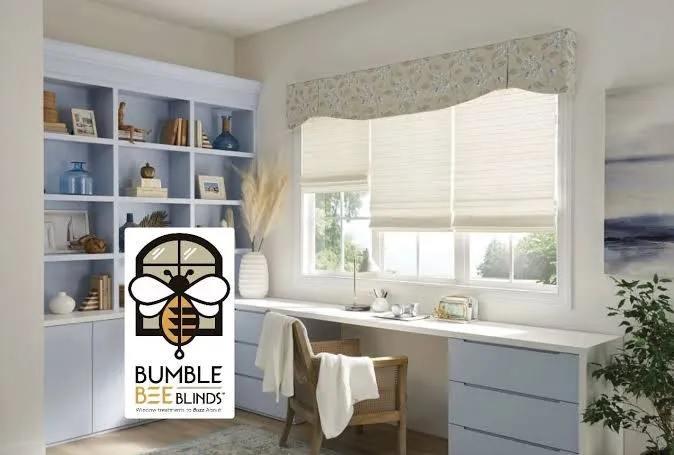
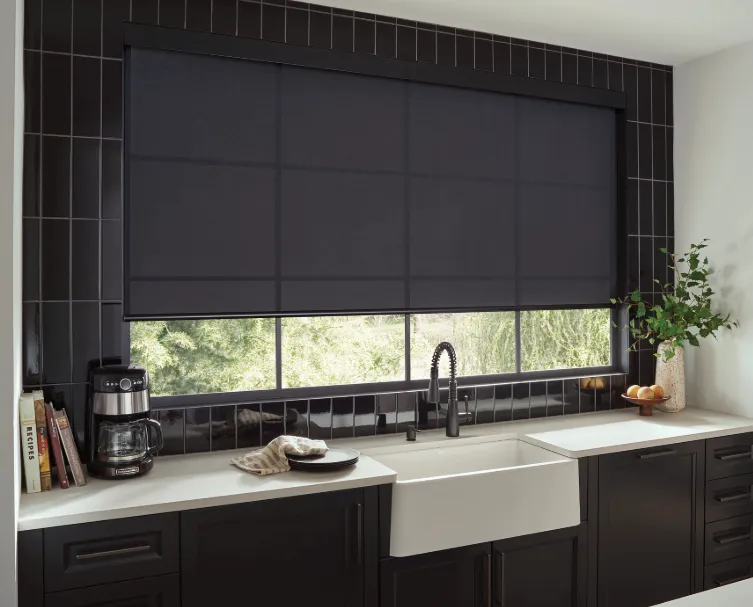
Bumble Bee Blinds provides custom window-treatment solutions for residential and commercial customers, including products such as blinds, shades, shutters, drapery, exterior treatments, and motorized or smart-home options.
From a business-model perspective, however, the products are only one part of the evaluation.
A prospective owner should also understand how customers are acquired, how consultations are conducted, how technology supports the sales process, how products are sourced and installed, what role the owner plays, and how the business can develop as the team grows.
That is the purpose of this Brand Spotlight.
The Elevare Perspective
A Brand Spotlight is not a recommendation to buy a franchise.
It is an opportunity to examine how a real business model works and identify the questions a prospective owner should investigate before deciding whether further exploration makes sense.
What Does Bumble Bee Blinds Do?
Bumble Bee Blinds operates in the custom window-treatment segment of the home-services industry.
Product and service categories may include:
- Blinds
- Shades
- Shutters
- Custom drapery
- Exterior window treatments
- Motorized window coverings
- Smart-home integrations
- Window-treatment repair and service
The business serves customers who want functional, decorative, privacy, light-control, energy-efficiency, or automation solutions for their windows and living spaces.
Unlike a traditional retail environment where customers select products primarily from shelves or displays, the Bumble Bee Blinds model brings much of the consultation and selection process to the customer.
The Customer Problem
Window treatments can solve several different customer needs.
Customers may be looking for:
- Privacy
- Light control
- Energy efficiency
- Interior design
- Room darkening
- Heat reduction
- Smart-home automation
- Replacement of worn or outdated treatments
The customer may know that something needs to change without knowing which product, material, color, configuration, or operating system is most appropriate.
That makes the consultation process part of the value proposition.
Why the Business Model Is Worth Studying
Bumble Bee Blinds provides an example of a business model that combines product sales with a consultative service process.
Characteristics worth evaluating include:
- Home-based operations
- In-home and on-site customer consultations
- Customized products rather than standard retail inventory
- Technology-assisted design and measurement
- Residential and commercial customer opportunities
- Installation as part of the customer experience
- Potential smart-home and motorization sales
- Franchisor systems, training, and support
These characteristics affect inventory requirements, margins, staffing, customer acquisition, owner responsibilities, and growth potential.
They also connect directly with the broader questions in our guide to what makes a strong business model.
A Consultative Sales Model
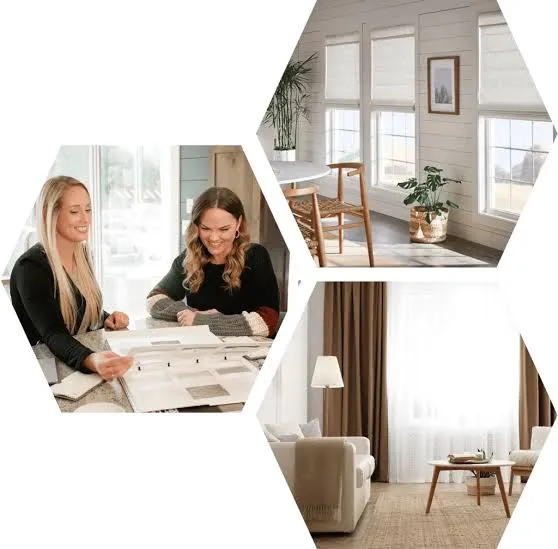
One of the distinguishing features of a custom window-treatment business is that the sales process often occurs inside the customer’s home or business.
The consultation may involve:
- Understanding the customer’s goals
- Reviewing the physical space
- Taking measurements
- Discussing design preferences
- Comparing products
- Reviewing colors and materials
- Exploring motorization or smart-home options
- Preparing a proposal
That makes sales ability particularly important.
The person conducting the consultation is not merely taking an order.
They are helping the customer make a customized purchasing decision.
The Elevare Perspective
A product can be standardized.
The customer conversation often cannot be.
In a consultative model, the quality of the sales experience can become an important part of the business itself.
Technology as Part of the Sales Process
Bumble Bee Blinds incorporates technology into the customer consultation and sales process.
Tools provided by the brand include technology designed to assist with:
- Product visualization
- Measurements
- Customer presentations
- Product selection
- Sales proposals
The system includes tools such as an iPad-based sales process, visualization technology, and laser measurement.
From an ownership perspective, these tools may help create greater consistency across consultations and reduce reliance on purely manual processes.
Prospective owners should still evaluate:
- How easy the technology is to learn
- How well it supports the customer experience
- How proposals are generated
- How measurements and orders flow into operations
- What technology costs are ongoing
Customer Financing
Custom window treatments can represent a meaningful household purchase, particularly for customers furnishing multiple rooms or incorporating premium products and automation.
Bumble Bee Blinds provides access to customer financing options.
Customer financing can potentially affect:
- Purchase affordability
- Average transaction size
- Product selection
- Closing rates
Prospective owners should understand how financing is presented, which customers qualify, what costs may apply, and how financing affects the sales process.
The Owner Role
As with many service businesses, the owner role can vary depending on staffing and the stage of the business.
Owner-Operator
An owner-operator may personally handle activities such as:
- Customer consultations
- Sales
- Measurements
- Local marketing
- Networking
- Customer service
- Scheduling
- Vendor coordination
- Business administration
Executive or Semi-Involved Owner
A more executive-style or semi-involved owner may build a team to handle more of the customer-facing and operational responsibilities.
The owner may focus more heavily on:
- Leadership
- Hiring
- Sales management
- Financial oversight
- Marketing
- Business development
- Strategic growth
A general manager or other employees may assume greater responsibility for day-to-day operations as the business develops.
Owner Model vs. Owner Reality
A business may ultimately support a manager-led or semi-involved ownership structure.
That does not necessarily mean a new location begins that way.
Prospective owners should understand the staffing, revenue, management, and capital required before the owner’s role can evolve.
The Elevare Owner Role Framework
What must the owner personally do while the local business is being established?
Which sales and operating responsibilities can be delegated as revenue and staffing grow?
What management structure is required for the owner to move into a more strategic role?
A prospective owner’s desired role should be compared with the actual path required to build the people and economics that support it.
Product Breadth
A broad product offering can give a window-treatment business the ability to serve different customer needs, styles, price points, and applications.
Depending on the project, customers may consider:
- Traditional blinds
- Roller or other shades
- Shutters
- Custom drapery
- Exterior treatments
- Motorized products
- Smart-home integrations
Product breadth can create sales opportunities.
It can also create complexity.
Owners and salespeople need to understand enough about the product line to guide customers appropriately and manage ordering accurately.
Luxe Hive Fashions
Bumble Bee Blinds also offers products through Luxe Hive Fashions, an exclusive product line within the system.
According to information provided by the brand, Luxe Hive Fashions is designed to provide franchisees with differentiated product options and favorable product economics.
The product line also includes warranty positioning that prospective owners should understand as part of the customer value proposition.
Proprietary or exclusive products can potentially support:
- Brand differentiation
- Margin management
- Product consistency
- Customer value
- Reduced direct product comparability
Prospective owners should still evaluate actual product mix, customer preferences, gross margins, vendor dependence, and warranty administration.
Installation Is Part of the Customer Experience
The sale does not end when the customer chooses the product.
Products must be ordered, delivered, scheduled, and installed correctly.
That means the operating process may involve:
- Accurate measurement
- Order management
- Vendor coordination
- Scheduling
- Installation
- Quality control
- Customer follow-up
Mistakes made early in the process can become expensive later.
A measurement error or incorrect custom order may create a very different financial consequence than a mistake involving an off-the-shelf product.
The Elevare Perspective
Customization can increase customer value.
It also increases the importance of process discipline.
Staffing and Delegation
The business may eventually involve several different roles, including:
- Sales or design consultants
- Installers
- Administrative support
- Operations leadership
- General management
The ability to delegate customer consultations, installations, or management responsibilities can materially change the owner’s role.
But additional employees also create costs and management responsibilities.
Prospective owners should investigate:
- Which roles are normally hired first
- How sales consultants are compensated
- How installers are sourced
- Whether installers are employees or independent providers where permitted
- Training requirements
- Sales productivity expectations
- Management requirements at greater scale
Residential, Commercial, and Project-Based Opportunities
The business can potentially serve multiple types of customers.
Opportunities may include:
- Existing homeowners
- New homeowners
- Home remodels
- New construction
- Commercial properties
- Other project-based relationships
Different customer segments may require different sales approaches.
Consumer customers may be reached through digital marketing, referrals, reviews, and local awareness.
Commercial or new-construction opportunities may depend more heavily on relationships with builders, designers, real estate professionals, property managers, and other referral partners.
Scalability
The model becomes more scalable when customer consultations, installations, and operational responsibilities can be performed by a team rather than depending exclusively on the owner.
Potential growth may come from:
- Increasing lead volume
- Improving sales conversion
- Increasing average transaction size
- Adding sales consultants
- Adding installation capacity
- Developing referral relationships
- Building commercial or builder accounts
- Expanding smart-home and motorized product sales
Growth also requires sufficient systems, management, working capital, and quality control.

Capital Considerations
As with any ownership opportunity, prospective franchisees should look beyond the amount required to establish the business.
The broader capitalization plan may need to account for:
- Franchise and startup costs
- Technology and equipment
- Marketing
- Insurance
- Training-related expenses
- Initial staffing
- Business working capital
- Personal reserves
- Contingency capital
The total capital requirement for business ownership provides a broader framework for evaluating these different capital needs.
Once the complete requirement is understood, prospective owners can evaluate how the business may be funded.
Working Capital Still Matters
A home-based business does not eliminate the need for working capital.
Early operating expenses may include:
- Marketing
- Payroll
- Technology
- Insurance
- Vehicle expenses
- Sales activity
- Administrative costs
- Other operating expenses
while customer demand and revenue develop.
Our guide to understanding working capital explains why opening the business and adequately capitalizing its early operations are two different questions.
The Elevare Perspective
A home-based business can have lower facility requirements without being capital-free.
Sales, marketing, staffing, technology, and operating expenses still need time and resources to develop.
What Might Appeal to a Prospective Owner?
Characteristics that may justify further investigation include:
- A home-based operating model
- A design-oriented customer experience
- Consultative rather than purely transactional sales
- A broad range of customized products
- Technology-assisted sales tools
- Residential and commercial opportunities
- Smart-home and motorization products
- Potential for team-based operations
- Multiple potential owner roles
Whether those characteristics represent a good fit depends on the prospective owner.
What Should a Prospective Owner Investigate?
A Brand Spotlight should create questions, not eliminate them.
Important areas to investigate include:
- Local customer demand
- Competition
- Lead generation
- Customer-acquisition cost
- Average transaction size
- Gross margins
- Product mix
- Vendor relationships
- Order accuracy
- Installation capacity
- Sales consultant productivity
- Owner involvement
- Local marketing requirements
- Commercial and referral opportunities
- Working-capital needs
- Franchisee satisfaction
Questions to Ask Existing Bumble Bee Blinds Franchise Owners
Existing franchise owners can provide context that is difficult to obtain from documents or presentations alone.
Useful questions may include:
- What did your first year actually look like?
- How closely did startup costs match your expectations?
- Did you have enough working capital?
- How long did it take to develop consistent lead flow?
- Which marketing channels produce the strongest customers?
- How important are referral relationships?
- How difficult is it to recruit strong salespeople?
- How difficult is installation capacity to manage?
- Which products sell most frequently in your market?
- How important are motorization and smart-home products?
- What does your personal owner role look like today?
- How has your role changed since launch?
- Which franchisor support resources are most valuable?
- What surprised you after opening?
- What would you do differently if you started again?
Our guide to questions to ask franchise owners during validation provides a broader framework for these conversations.
The Elevare Business Model Lens
| Evaluation Area | Questions to Explore |
|---|---|
| Customer Demand | What level of demand exists for custom window treatments in the local market? |
| Customer Profile | What mix of homeowners, remodel customers, builders, commercial clients, and other buyers supports the business? |
| Revenue Model | Which products and customer segments drive revenue and gross profit? |
| Customer Acquisition | How are leads generated, and which referral or marketing relationships produce the strongest opportunities? |
| Systems & Technology | How effectively do visualization, measurement, quoting, ordering, and customer-management tools support the sales process? |
| Operations | How are custom orders, vendor relationships, scheduling, and installation managed? |
| Staffing | How difficult is it to recruit and manage sales consultants, installers, and managers? |
| Owner Role | What does the owner personally do at launch, during growth, and after management is added? |
| Capital | What startup capital, working capital, personal reserves, and contingency resources are needed? |
| Scalability | Can additional salespeople, installers, referral relationships, and management expand revenue without keeping the owner at the center of every transaction? |
| Personal Alignment | Does a consultative, design-oriented, sales-driven business fit the prospective owner’s strengths and desired role? |
Bumble Bee Blinds and Personal Fit
The underlying business can be attractive and still be wrong for a particular owner.
Someone evaluating Bumble Bee Blinds should consider whether they are comfortable with:
- Consultative selling
- Working with customers inside their homes or businesses
- Design-oriented purchasing decisions
- Local marketing
- Networking and referral development
- Managing customized orders
- Coordinating installation
- Managing salespeople or other employees
- Developing a local business over time
Our business ownership self-assessment explores why the individual should be evaluated before the brand.
Due Diligence Still Comes Before the Decision
Information from the franchisor is the beginning of the evaluation—not the end.
Prospective franchisees should independently investigate:
- The Franchise Disclosure Document
- Startup and ongoing costs
- Financial assumptions
- Product economics
- Local competition
- Customer acquisition
- Franchisee experiences
- Owner responsibilities
- Staffing requirements
- Capital requirements
- Personal fit
Our cornerstone guide to business ownership due diligence provides a structured framework for bringing those areas together.
The Elevare Perspective on Bumble Bee Blinds
Bumble Bee Blinds is an example of a home-service model that combines customized products with consultative sales, technology, measurement, installation, and local business development.
Characteristics such as home-based operations, product breadth, technology-assisted consultations, smart-home offerings, and the potential to build a team-based organization may warrant further investigation depending on the prospective owner’s priorities.
But the important question is not:
A more useful question is:
That answer requires individual evaluation and due diligence.
Key Takeaways
- Bumble Bee Blinds operates in the custom window-treatment segment of home services.
- The model combines products with consultation, design, measurement, ordering, and installation.
- Technology plays a meaningful role in visualization, measurement, and the customer sales process.
- Product offerings include traditional window treatments as well as motorized and smart-home options.
- The system includes access to exclusive products through Luxe Hive Fashions.
- Residential, commercial, remodeling, new-construction, and referral opportunities may create multiple customer channels.
- Consultative sales ability is an important component of the model.
- The owner role may evolve from hands-on sales and operations toward leadership and management as the business develops.
- Custom ordering makes measurement accuracy and operational discipline particularly important.
- A home-based model does not eliminate the need for working capital.
- Franchisee validation should test assumptions about sales, staffing, installation, margins, support, and owner role.
- The quality of the opportunity and its fit with the individual remain separate questions.
Frequently Asked Questions About the Bumble Bee Blinds Franchise Model
What type of business is Bumble Bee Blinds?
Bumble Bee Blinds is a custom window-treatment franchise providing products and related services such as blinds, shades, shutters, custom drapery, exterior treatments, motorization, smart-home options, and certain repair services.
Does Bumble Bee Blinds require a traditional retail storefront?
The business is designed around a mobile, consultative customer experience rather than relying primarily on a conventional customer-facing retail store. Prospective franchisees should verify current facility and operating requirements directly with the franchisor and current Franchise Disclosure Document.
Do owners need prior window-treatment or interior-design experience?
The franchise system provides training, tools, products, and operating processes. Prospective owners should still evaluate whether their sales, leadership, customer-service, management, and business-development skills align with the owner role they expect to perform.
What role does technology play in the business?
Bumble Bee Blinds uses technology to support areas such as visualization, measurement, product selection, customer presentation, and sales. Prospective owners should investigate how those tools integrate with quoting, ordering, scheduling, and customer management.
Can Bumble Bee Blinds support a semi-involved owner?
The model may support a more semi-involved or manager-led structure as the business develops and appropriate staffing and management are added. Prospective owners should investigate the actual time, staffing, revenue, and management requirements needed to reach that structure rather than relying only on an ownership-model label.
What is Luxe Hive Fashions?
Luxe Hive Fashions is an exclusive product offering within the Bumble Bee Blinds system. Prospective owners should review the current product lineup, sourcing requirements, economics, warranties, and customer positioning directly with the franchisor.
How should someone evaluate a Bumble Bee Blinds franchise?
Evaluation should include the Franchise Disclosure Document, customer demand, local competition, product economics, lead generation, sales process, installation, staffing, owner role, working-capital requirements, franchisee validation, professional review, and personal alignment with the business model.
Does Elevare Advisory Group recommend Bumble Bee Blinds?
Elevare Advisory Group helps prospective owners evaluate franchise and business opportunity models based on their individual goals, strengths, financial capacity, desired involvement, lifestyle, and other considerations. A Brand Spotlight is educational and should not be interpreted as a recommendation that a particular business is appropriate for every prospective owner.
Continue Your Learning
A Brand Spotlight is most useful when the specific opportunity is evaluated within a broader business ownership framework.
What Makes a Strong Business Model?
Learn how to evaluate customer demand, revenue, margins, systems, staffing, scalability, owner dependence, and other characteristics across business opportunities.
Business Ownership Self-Assessment: Know Your Fit
Evaluate your goals, strengths, lifestyle, desired owner role, risk tolerance, and financial capacity before evaluating individual brands.
Franchise vs. Business Opportunity: Key Differences
Understand how a franchise structure differs from other defined business opportunities and what those differences may mean for the owner.
Total Capital Requirement for Business Ownership
Look beyond startup cost and consider business working capital, personal reserves, and contingency capital as part of the complete ownership plan.
Franchise Validation: Questions to Ask Existing Franchise Owners
Use validation conversations to test assumptions about startup, support, staffing, owner role, financial realities, and franchisee satisfaction.
Business Ownership Due Diligence: What to Evaluate
Bring the business model, finances, legal obligations, validation, operations, and personal fit together before making a decision.
This Brand Spotlight is provided solely for general educational purposes and is not an endorsement, recommendation, offer, solicitation, or representation that Bumble Bee Blinds or any other franchise is appropriate for a particular individual. Information about franchise systems, products, services, training, technology, support, ownership models, costs, financial requirements, territory availability, product offerings, warranties, vendor relationships, and operating practices may change and should be independently verified with the franchisor and the current Franchise Disclosure Document. Prospective franchisees should conduct their own due diligence, speak with existing franchise owners, review applicable franchise documents, evaluate their personal and financial circumstances, and consult qualified legal, tax, accounting, lending, financial, and other professionals before making an ownership decision. Elevare Advisory Group provides education and strategic guidance to help individuals evaluate business ownership opportunities and may receive compensation from a franchisor or business opportunity provider if a client ultimately proceeds with an opportunity. There is no fee charged to clients for Elevare Advisory Group’s advisory services.